Education
Use this page to learn some simple facts about common eye conditions optometrists see in clinics.
Diabetic Retinopathy
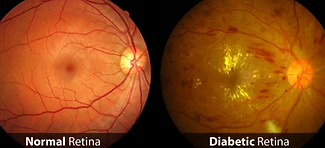
Diabetic retinopathy is a condition that affects the eyes of people with diabetes. It is caused by high levels of blood sugar damaging the small blood vessels in the retina, which can lead to vision loss or blindness if left untreated. In this blog, we will discuss the prevalence, risk factors, stages, and symptoms of diabetic retinopathy in Australia.
Prevalence: Diabetic retinopathy is a common complication of diabetes in Australia. According to Diabetes Australia, approximately one-third of people with diabetes will develop some form of diabetic retinopathy. It is also the leading cause of blindness among working-age adults in Australia.
Risk Factors:
Several factors can increase the risk of developing diabetic retinopathy, including:
-
Poorly controlled blood sugar levels
-
High blood pressure
-
High cholesterol levels
-
Smoking
-
Pregnancy
-
Duration of diabetes
Stages:
Diabetic retinopathy progresses in stages, and each stage is characterized by specific changes in the retina. The stages of diabetic retinopathy are:
-
Mild Nonproliferative Retinopathy: In this stage, there are small areas of swelling in the blood vessels of the retina. These areas of swelling are called microaneurysms.
-
Moderate Nonproliferative Retinopathy: In this stage, some of the blood vessels that supply the retina become blocked. This can cause the retina to become deprived of oxygen, leading to the formation of new blood vessels.
-
Severe Nonproliferative Retinopathy: In this stage, even more blood vessels become blocked, which further deprives the retina of oxygen. This can cause the growth of new blood vessels, which are fragile and can bleed into the vitreous gel of the eye.
-
Proliferative Retinopathy: In this final and most advanced stage, the growth of new blood vessels can cause scarring, leading to the retina detaching from the back of the eye. This can cause severe vision loss and blindness.
Symptoms:
In the early stages of diabetic retinopathy, there may be no noticeable symptoms.
As the condition progresses, the following symptoms may occur:
-
Blurred or distorted vision
-
Reduced color perception
-
Dark or empty areas in the vision
-
Floaters in the vision
-
Difficulty seeing at night
It is important to note that these symptoms can also be caused by other eye conditions, so it is crucial to see an eye doctor for a proper diagnosis.
In conclusion, diabetic retinopathy is a serious condition that can cause vision loss or blindness in people with diabetes. It is essential to control blood sugar levels, blood pressure, and cholesterol to reduce the risk of developing diabetic retinopathy. Regular eye exams with an eye doctor are crucial for early detection and treatment of the disease.